Why DIY Pest Control Often Fails
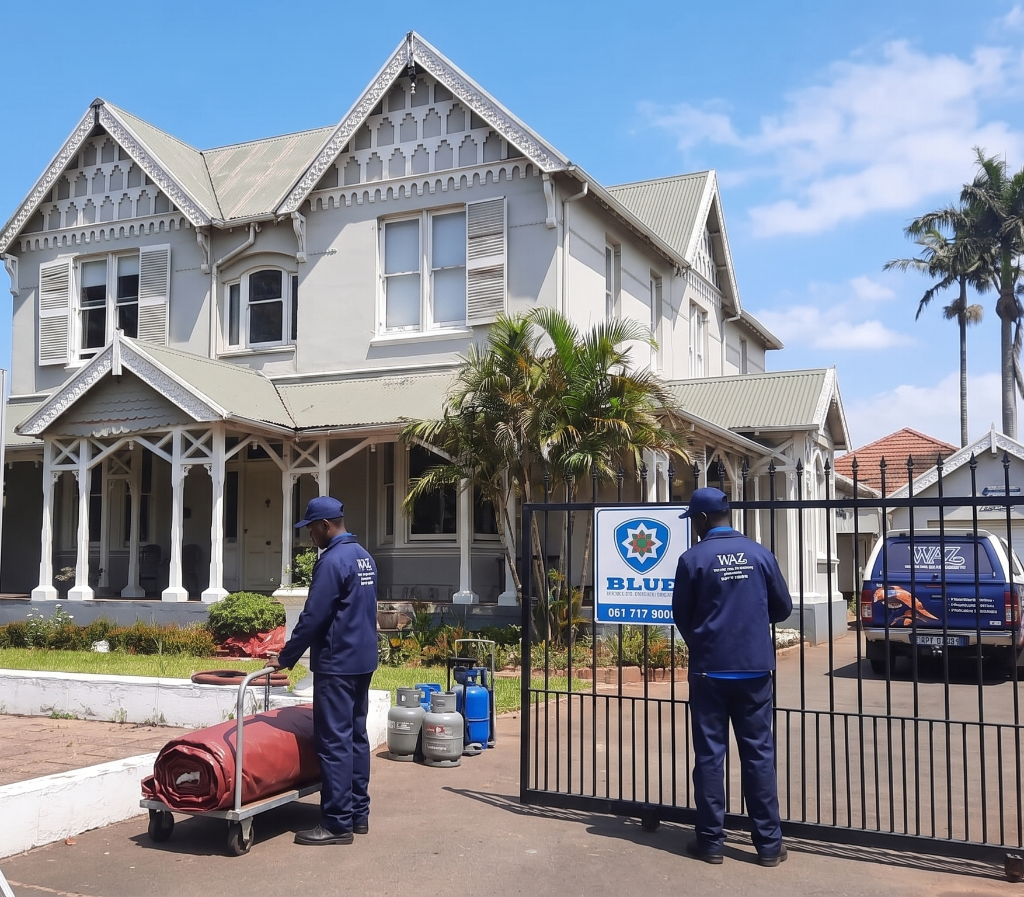
When you spot a cockroach in your kitchen or hear scratching in your ceiling, the temptation to grab a can of insecticide from the supermarket is understandable. DIY pest control seems cheaper and faster than calling a professional. But in reality, DIY pest control often fails — and can actually make the problem worse. Here's why.
1. You're Treating Symptoms, Not the Source
When you spray a cockroach you see in your kitchen, you've killed one insect. But for every cockroach you see, there are likely dozens — even hundreds — hiding in cracks, behind appliances and inside walls. The colony, including the egg-laying females, remains untouched. Professional gel baits work because the cockroaches carry the bait back to the nest, eliminating the entire colony.
2. Misidentification Leads to Wrong Treatment
Effective pest control starts with correct identification. Different pest species require different treatment approaches. German cockroaches need gel baits; American cockroaches may need residual sprays. Pharaoh ants must never be sprayed (it causes colony budding and spreading) — they require specialised baiting. DIY treatments don't distinguish between species, leading to ineffective or counterproductive results.
3. Over-the-Counter Products Are Weaker
The pest control products available to consumers are significantly less potent than the professional-grade products used by licensed technicians. Professional products have higher active ingredient concentrations, better formulations and longer residual effects. They're also applied using specialised equipment that ensures proper coverage and penetration.
4. Incorrect Application Is Dangerous
Professional pest control products, when used incorrectly, can be dangerous to humans, pets and the environment. Over-application, improper mixing, spraying in food areas, using the wrong product for the situation — these are all risks of DIY pest control. Professional technicians are trained in safe handling, application and storage of pest control products.
5. You May Cause Pests to Spread
One of the most counterproductive effects of DIY pest control is that it can cause pests to spread. Spraying cockroaches can cause them to scatter to other areas of your home. Spraying pharaoh ants causes colony budding — the colony splits into multiple colonies, spreading the infestation. Disturbing termites can cause them to abandon the area and move to another part of your property.
6. No Access to Professional Techniques
Professional pest control uses techniques and methods that aren't available to consumers:
- Gel baits that eliminate entire cockroach and ant colonies
- Tamper-proof bait stations for safe rodent control
- Insect growth regulators that break pest lifecycles
- Pheromone traps for monitoring and detection
- Fumigation for severe infestations
- Exclusion techniques to prevent pest entry
- Thermal imaging for termite detection
7. No Follow-Up or Guarantee
DIY pest control is a one-shot approach. If it doesn't work — and it often doesn't — you're back to square one, having spent money on products that didn't solve the problem. Professional pest control includes follow-up visits, monitoring and written guarantees. If pests return within the guarantee period, we re-treat at no additional cost.
8. The Hidden Costs of DIY
Consider the true cost of DIY pest control:
- Money spent on products that don't work
- Time spent researching, purchasing and applying treatments
- Damage caused by the ongoing infestation while you experiment
- Health risks from improper product use
- The eventual cost of professional treatment when DIY fails
- Potential damage to your property (termites, rodents)
When you add it up, DIY pest control is often more expensive than calling a professional from the start.
9. You Miss the Bigger Picture
Professional pest control isn't just about eliminating current pests — it's about preventing future problems. A professional technician identifies the conditions that attracted pests in the first place (entry points, food sources, moisture issues, harbourage areas) and addresses them. This preventive approach keeps pests from coming back.
10. Compliance and Documentation
For businesses, DIY pest control is not an option. Health regulations, HACCP requirements and customer audit standards require professional, documented pest management programmes. DIY treatment provides no documentation, no compliance and no audit readiness.
When DIY Is Appropriate
To be fair, there are some situations where DIY measures are appropriate — as prevention, not treatment:
- Keeping your home clean and free of food debris
- Sealing cracks and gaps around your home
- Eliminating standing water
- Storing food in sealed containers
- Maintaining your garden and property
These preventive measures are valuable and should be part of every homeowner's routine. But once you have a pest problem, professional treatment is the right choice.
The Bottom Line
Professional pest control is an investment in your home, your health and your peace of mind. It's more effective, safer and often more cost-effective than DIY. When you consider the time, money and risk involved in DIY pest control — plus the likelihood that it won't work — the professional option is clearly the better choice.
Contact WAZ Pest Management for effective, guaranteed pest control in Durban. Our professional treatments solve the problem right the first time, with the safety and expertise that DIY simply can't match.
Need Professional Pest Control?
Our team is ready to help with any pest problem in Durban. Get a free quote today.